
Peach allergen Pru p 1 content is generally low in fruit but with large variation in different varieties
Sign Up to like & getrecommendations! Published in 2021 at "Clinical and Translational Allergy"
DOI: 10.1002/clt2.12034
Abstract: Abstract Background Pru p 1 is a major allergen in peach and nectarine, and the different content in varieties may affect the degree of allergic reactions. This study aimed to quantify Pru p 1 levels… read more here.
Keywords: content generally; fruit; pru; peach ... See more keywords
The diagnosis of lipid transfer protein allergy—Discriminating between sensitisation and allergy
Sign Up to like & getrecommendations! Published in 2025 at "Clinical and Translational Allergy"
DOI: 10.1002/clt2.70065
Abstract: Abstract Background Sensitisation to Lipid Transfer Proteins (LTP), usually ascertained by undertaking a test to the peach LTP allergen Pru p 3, is common but does not always indicate LTP allergy. Improving the diagnostic process… read more here.
Keywords: diagnosis; ltp; sensitisation; ltp allergy ... See more keywords
Involvement of NF-κB/PI3K/AKT signaling pathway in the protective effect of prunetin against a diethylnitrosamine induced hepatocellular carcinogenesis in rats.
Sign Up to like & getrecommendations! Published in 2022 at "Journal of biochemical and molecular toxicology"
DOI: 10.1002/jbt.23016
Abstract: Prunetin (PRU) is an O-methylated flavonoid that is present in various natural plants and a primary significant compound found in isoflavone. Liver cancer creates major carcinogenic death despite recently advanced therapies. Hepatocellular carcinoma (HCC) treatment… read more here.
Keywords: group; pru; prunetin; diethylnitrosamine ... See more keywords
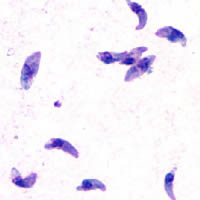
Effect of deletion of gra17 and gra23 genes on the growth, virulence, and immunogenicity of type II Toxoplasma gondii
Sign Up to like & getrecommendations! Published in 2020 at "Parasitology Research"
DOI: 10.1007/s00436-020-06815-z
Abstract: The protozoan parasite Toxoplasma gondii secretes a number of dense granule proteins (GRAs) from the dense granule organelle to manipulate the host cell. Two of these effector proteins (GRA17 and GRA23) are involved in the… read more here.
Keywords: gra17; gondii; pru; gra17 gra23 ... See more keywords
Exploring the relationship of platelet aggregation function with efficacy and safety outcomes following the administration of prasugrel and clopidogrel in patients with thrombotic stroke: a post hoc analysis of PRASTRO pooled studies
Sign Up to like & getrecommendations! Published in 2025 at "Journal of Thrombosis and Thrombolysis"
DOI: 10.1007/s11239-025-03093-3
Abstract: The P2Y12 receptor inhibitor prasugrel was approved for thrombotic stroke in Japan following the phase 3 clinical trials PRASTRO-I, -II, and -III. However, correlations between elevated platelet reaction unit (PRU) and ischemic event risk remain… read more here.
Keywords: prasugrel clopidogrel; analysis prastro; thrombotic stroke; pru ... See more keywords

Serum interleukin-18 levels as a predictor for patients with genetic dysfunction of cytochrome P450 2C19 in dual antiplatelet therapy with clopidogrel.
Sign Up to like & getrecommendations! Published in 2020 at "Journal of cardiology"
DOI: 10.1016/j.jjcc.2020.06.008
Abstract: BACKGROUND P2Y12 reaction unit (PRU) is an index of platelet activity upon treatment with clopidogrel. In spite of suitable P2Y12 reactions in dual antiplatelet therapy (DAPT) with clopidogrel after percutaneous coronary intervention (PCI), cardiovascular events… read more here.
Keywords: clopidogrel; dysfunction; dual antiplatelet; pru ... See more keywords
Isolation of cypress gibberellin-regulated protein: Analysis of its structural features and IgE binding competition with homologous allergens.
Sign Up to like & getrecommendations! Published in 2019 at "Molecular immunology"
DOI: 10.1016/j.molimm.2019.07.023
Abstract: The presence in cypress pollen of an important allergen, belonging to the gibberellin-regulated protein (GRP) family, has been suggested for many years. However, it has never been isolated and sometimes the homologous peach allergen, Pru… read more here.
Keywords: cypress; regulated protein; pru; gibberellin regulated ... See more keywords
Boiling down the cysteine-stabilized LTP fold - loss of structural and immunological integrity of allergenic Art v 3 and Pru p 3 as a consequence of irreversible lanthionine formation.
Sign Up to like & getrecommendations! Published in 2019 at "Molecular immunology"
DOI: 10.1016/j.molimm.2019.10.012
Abstract: BACKGROUND Non-specific lipid transfer proteins (LTPs) are important allergens in fruits, pollen, vegetables, nuts and latex. Due to their compact structure, LTPs are highly resistant to heat treatment. Here, Art v 3 from mugwort pollen… read more here.
Keywords: art pru; structural immunological; ltp fold; pru ... See more keywords
Significant Reduction of the Expression of Peach ( Prunus persica L. Batsch) Allergen-Encoding Genes by Fruit Bagging with Opaque Paper.
Sign Up to like & getrecommendations! Published in 2018 at "Journal of agricultural and food chemistry"
DOI: 10.1021/acs.jafc.8b00207
Abstract: Freshly consumed peaches ( Prunus persica L. Batsch) can cause allergic reactions in the worldwide population because of the presence of four classes of allergens (Pru p 1, Pru p 2, Pru p 3, and… read more here.
Keywords: encoding genes; fruit; pru pru; pru ... See more keywords
An adaptive peptide-binding site in ubiquitin receptor hRpn13 revealed by structural studies
Sign Up to like & getrecommendations! Published in 2025 at "Nature Communications"
DOI: 10.1038/s41467-025-60843-w
Abstract: A pleckstrin-like receptor for ubiquitin (Pru) domain in hRpn13 binds ubiquitin and proteasome subunit hRpn2. Here, we report a crystal structure of Pru bound to amino acids at the extreme N-terminus (ENT) of recombinant hRpn13.… read more here.
Keywords: receptor; binding site; hrpn13; peptide binding ... See more keywords
PSLBI-9 The growth performance and total tract starch digestibility of finishing Nelore bulls fed flint corn-based diets are improved by the corn processing method and urea source
Sign Up to like & getrecommendations! Published in 2024 at "Journal of Animal Science"
DOI: 10.1093/jas/skae234.728
Abstract: The aim of this study was to evaluate the flint corn processing method (CPM) and urea source for finishing Nellore bulls fed corn-based diets. In this study, 80 Nellore bulls [initial body weight (BW) =… read more here.
Keywords: flint corn; corn; bulls fed; pru ... See more keywords